

Author: Engr. Ibad, Lead Architect at Satsuma Droid
The Bottom Line Up Front
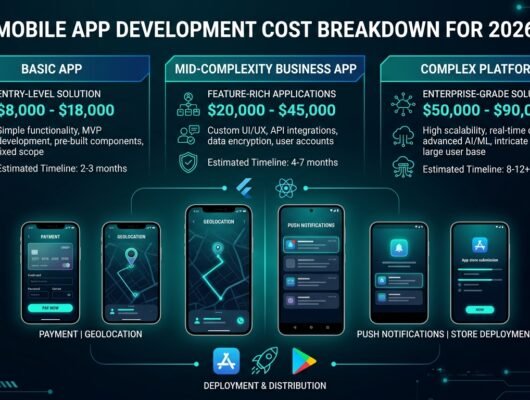
In 2026, building a custom, enterprise-grade mobile application typically costs between $45,000 and $120,000+. For a minimum viable product (MVP) with core functionality, you can expect an initial investment of roughly $25,000 to $40,000. The final cost heavily depends on platform complexity, third-party AI integrations, and backend infrastructure requirements.
Based on our analysis of over 50 enterprise deployments completed by Satsuma Droid in late 2025, mobile app development budgets have shifted. Standard coding costs have decreased due to AI-assisted development tools, while investments in data security, compliance, and cloud architecture have increased proportionally.
Cost Breakdown by App Complexity
| Complexity Level | Estimated Cost Range | Typical Timeline | Best For |
|---|---|---|---|
| Basic / MVP | $25,000 – $40,000 | 2 – 4 Months | Startups, internal tools, proof of concept |
| Medium Complexity | $45,000 – $80,000 | 4 – 6 Months | E-commerce, specialized B2B apps, SaaS |
| High Complexity | $80,000 – $120,000+ | 6 – 12 Months | Fintech, AI-native platforms, Healthcare |
Key Factors Influencing Development Costs in 2026
1. Cross-Platform vs. Native Development
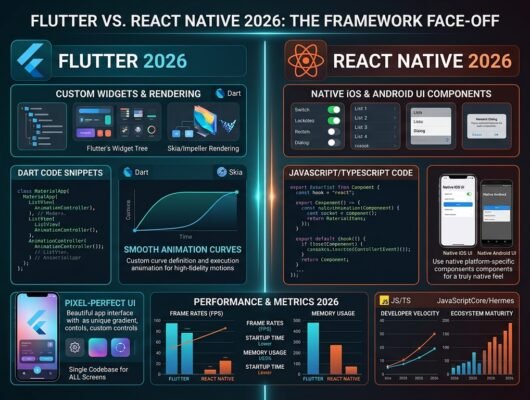
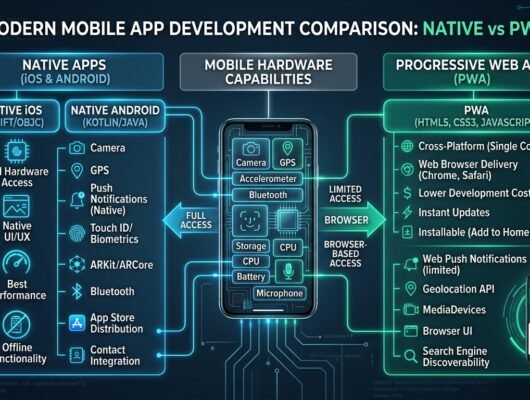
In the past, businesses had to choose between developing separately for iOS (Swift) and Android (Kotlin), essentially doubling the cost. Today, robust frameworks like Flutter and React Native allow developers to build a single codebase that deploys to both platforms. Cross-platform development currently accounts for a 30% reduction in average project costs compared to native dual-platform builds.
2. AI and Machine Learning Integrations
Modern apps often require AI-driven features such as personalized recommendation engines, intelligent chatbots, or computer vision. Integrating external APIs (like OpenAI or Claude) is relatively inexpensive ($3,000 – $5,000 for implementation). However, training custom machine learning models on proprietary enterprise data can add $20,000 to $50,000 to the total cost due to the required data engineering and compliance checks.
3. Security and Compliance Requirements
Applications handling sensitive data must adhere to strict regulatory standards (e.g., GDPR, HIPAA, SOC 2). Implementing end-to-end encryption, multi-factor authentication (MFA), and zero-trust architecture requires specialized security auditing. Compliance-heavy applications typically see a 20-25% increase in their initial budget.
Hidden Costs: Maintenance and Infrastructure
A common misconception is that development costs end at launch. Industry data shows that annual maintenance costs average 15% to 20% of the initial development budget. If an app costs $60,000 to build, expect to spend approximately $9,000 to $12,000 annually on:
- Cloud Hosting (AWS, Azure, Google Cloud): $2,000 – $5,000/year depending on user traffic.
- Third-Party API Licenses: Payment gateways, maps, and AI services.
- OS Updates: Ensuring compatibility with the latest iOS and Android releases.
- Security Patching: Ongoing vulnerability assessments.
Frequently Asked Questions
How can I reduce the cost of building a mobile app?
The most effective way to reduce costs is to start with a Minimum Viable Product (MVP). By focusing only on core features that solve the primary problem, you can launch faster, gather user feedback, and avoid spending money on unnecessary features. Additionally, utilizing cross-platform frameworks like Flutter can reduce development costs by up to 30%.
Are there ongoing costs after the app is published?
Yes. Industry standards dictate that annual maintenance and infrastructure costs typically amount to 15% to 20% of the original development budget. This covers cloud hosting, server maintenance, third-party API licensing, and regular updates to ensure compatibility with new iOS and Android operating system releases.
Navigating the complexities of mobile app development requires a transparent, technically sound approach. If your organization is evaluating the feasibility of a custom software project, the architecture team at Satsuma Droid provides detailed technical scoping and infrastructure audits to help you establish an accurate, secure budget.