

A realistic annual budget for app maintenance in 2026 is typically 15% to 20% of the initial development cost. Many businesses mistakenly treat the launch of a mobile or web application as the finish line, failing to account for the ongoing costs required to keep the software secure, functional, and compatible with newer operating systems. This guide breaks down exactly what app maintenance entails and how much you should allocate to avoid catastrophic technical debt.
Why App Maintenance is Not Optional
Unlike a physical building that might stand for decades with minimal upkeep, software exists in an ecosystem that is constantly shifting.
Every year, Apple and Google release major updates to iOS and Android. They deprecate old APIs, introduce new privacy requirements, and change hardware specifications (like screen sizes and notch placements). If an app is not actively updated to comply with these changes, it will begin to suffer from visual bugs, crashes, and eventually, removal from the App Store or Google Play Store.
Furthermore, third-party dependencies—such as payment gateways (Stripe, PayPal), social login SDKs, and analytics tools—routinely update their codebases. Failing to update these dependencies within your app leaves you vulnerable to severe security breaches and broken functionality.
The Core Components of a Maintenance Budget
A comprehensive maintenance budget covers much more than just fixing bugs. It encompasses server costs, security patches, OS compatibility updates, and minor feature enhancements.
| Maintenance Category | What It Includes | Estimated Monthly Cost (Average App) |
|---|---|---|
| Hosting & Server Infrastructure | AWS/Google Cloud hosting, database storage, CDN delivery, and API server runtime costs. | $100 – $1,500+ |
| Third-Party Licenses & APIs | Stripe, Twilio (SMS), SendGrid (Email), Google Maps API, and premium push notification services. | $50 – $500+ |
| Routine Updates & Security | Updating core libraries, patching known vulnerabilities, and ensuring compliance with new OS releases. | $500 – $2,500 |
| Bug Fixes & Quality Assurance | Monitoring Crashlytics, diagnosing user-reported bugs, and regression testing on new devices. | $300 – $1,000 |
Across our app maintenance portfolio at Satsuma Droid, we consistently observe a hard data point: organizations that proactively allocate 15% to 20% of their initial build cost toward annual maintenance experience 60% fewer critical downtime events compared to those who adopt a “fix it when it breaks” mentality. For an app that cost $50,000 to build, expect to budget roughly $7,500 to $10,000 annually (or about $600 to $800 a month) just to maintain the status quo.
The Hidden Cost of Technical Debt
Ignoring maintenance for 12 to 18 months does not save money; it compounds technical debt, resulting in an eventual “rebuild” that costs significantly more than routine upkeep.
When an app is neglected, libraries become so outdated that they can no longer be updated iteratively. Developers are forced into major version jumps, which frequently break large portions of the codebase. We routinely see clients come to us with apps untouched for two years, hoping for a quick, cheap update to support a new iPhone model. Instead, they require a comprehensive code refactor because the underlying framework (such as an old version of React Native or Flutter) is entirely unsupported.
How to Structure a Maintenance Contract
Most software agencies offer two primary models for maintenance: Retainer Agreements and Time-and-Materials (T&M) billing.
- Monthly Retainer: You pay a fixed monthly fee for a guaranteed number of hours. This ensures that a developer is always available to immediately address server outages or critical security patches. This is the recommended approach for mission-critical apps.
- Time and Materials (Pay-as-you-go): You only pay when you request an update. While this seems cheaper initially, it carries the risk of the agency not having immediate availability when an emergency strikes.
Frequently Asked Questions
Does app maintenance include adding new features?
Generally, no. Standard app maintenance covers bug fixes, OS compatibility, security patches, and server upkeep. Adding entirely new screens, workflows, or integrations is usually scoped and billed as separate development work, though some premium retainer agreements include a small allowance for iterative enhancements.
Why do server costs fluctuate?
Cloud providers like AWS and Google Cloud bill based on usage. If your app goes viral or experiences a seasonal spike in traffic, your costs for database reads/writes, bandwidth, and processing power will scale up proportionally. Maintenance budgets should include a buffer for these scaling costs.
Do both iOS and Android apps cost the same to maintain?
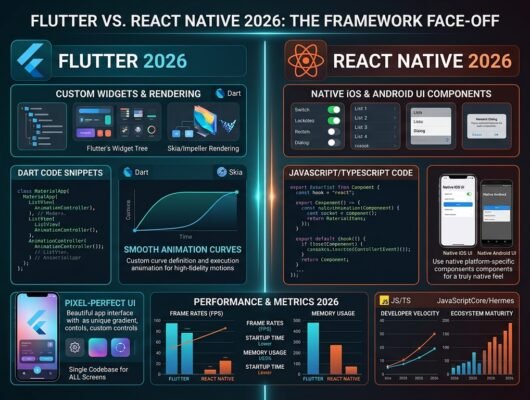
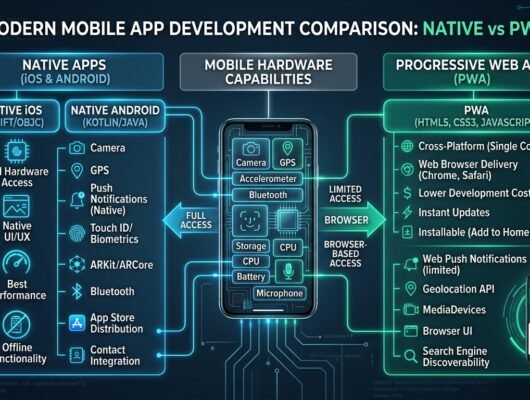
If your app was built natively (separate codebases for iOS and Android), you are essentially maintaining two different applications, which doubles the upkeep cost. If your app was built using a cross-platform framework like Flutter or React Native, you can usually maintain both platforms simultaneously, significantly reducing the required budget.
What happens if Apple or Google rejects my app update?
App Store policies change frequently. If an update is rejected due to a new privacy policy or UI guideline, your maintenance team must quickly refactor the code to achieve compliance. This is a primary reason why having developers on a monthly retainer is crucial.
Is your app suffering from technical debt?
Don’t wait for a critical crash or security breach. Satsuma Droid offers comprehensive code audits and flexible maintenance retainers to keep your software secure, fast, and fully compatible.
Request a Maintenance Audit