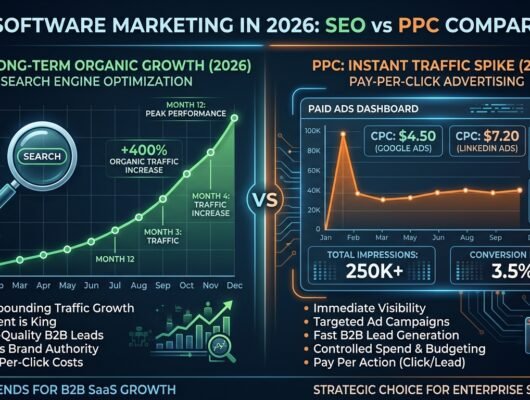


For B2B software companies, deciding between Search Engine Optimization (SEO) and Pay-Per-Click (PPC) advertising is a matter of timeline and budget, not superiority. PPC provides immediate visibility and highly targeted lead generation, making it ideal for newly launched software products that need traction fast. Conversely, SEO requires a long-term investment to build authority but ultimately delivers a much lower Cost Per Acquisition (CPA) and sustainable organic growth. Most successful B2B strategies eventually integrate both, using PPC to test messaging while SEO compounds in the background.
Understanding the B2B Software Buyer Journey
The sales cycle for enterprise software is notoriously long, often lasting anywhere from three to nine months and involving multiple stakeholders.
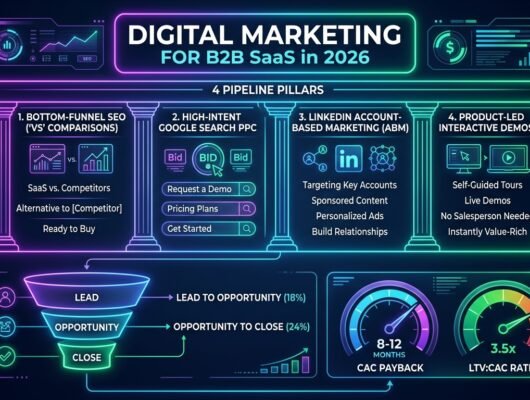
Because B2B buyers conduct extensive research before requesting a demo, they interact with both paid and organic touchpoints. An IT director might first discover your SaaS product via a targeted LinkedIn or Google Ads campaign (PPC) when searching for an immediate solution to a problem. Weeks later, that same director or a procurement officer might search for “[Your Competitor] vs [Your Software]” or read an in-depth technical guide on your blog (SEO) to validate the purchase decision.
PPC (Pay-Per-Click): The Engine for Immediate Leads
PPC campaigns, primarily run through Google Ads and LinkedIn Ads, allow you to bypass the algorithmic waiting period and immediately place your software in front of high-intent buyers.
- The Advantage of Speed: You can launch a campaign on Monday and start booking demos on Tuesday. This rapid feedback loop is invaluable for testing product-market fit, landing page copy, and keyword intent before committing resources to a long-term SEO strategy.
- Granular Targeting: Platforms like LinkedIn allow B2B companies to target ads based on precise firmographic data, such as job title (e.g., “CTO” or “VP of Engineering”), company size, and industry.
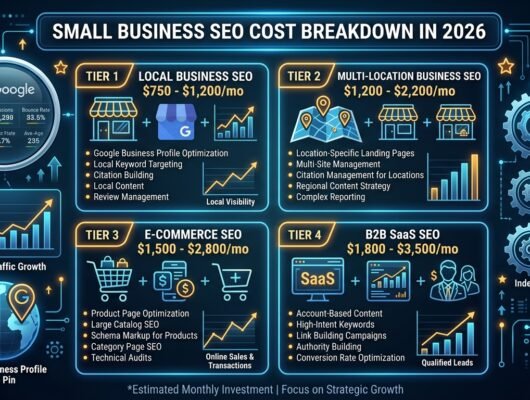
- The Drawback of Cost: B2B software keywords are notoriously expensive. It is not uncommon to see Cost Per Click (CPC) rates for terms like “enterprise ERP software” or “healthcare CRM” exceed $30 to $50. Once you stop paying for the ads, the lead flow stops immediately.
SEO (Search Engine Optimization): The Foundation of Sustainable Growth
SEO is the process of optimizing your website infrastructure and publishing authoritative content to rank organically in search engines.
- Compounding ROI: Unlike PPC, where you pay for every single visitor, an SEO-optimized pillar page or technical guide can drive thousands of highly qualified visitors for years after it is published, effectively driving the marginal cost per click down to zero.
- Building Trust and Authority: B2B buyers inherently trust organic results more than sponsored ads. Ranking organically for complex, educational queries (e.g., “how to migrate legacy databases to AWS”) establishes your brand as an industry authority (E-E-A-T), which is critical in B2B sales.
- The Drawback of Time: SEO is slow. For a new domain, it can take 6 to 9 months of consistent technical optimization and content production before seeing a measurable increase in organic SQLs (Sales Qualified Leads).
SEO vs PPC: A Direct Comparison
| Metric | PPC (Paid Search) | SEO (Organic Search) |
|---|---|---|
| Time to Results | Immediate (24 – 48 hours) | Slow (3 – 9 months) |
| Cost Structure | Pay per click (ongoing variable expense) | Upfront investment (content creation/technical audits) |
| Longevity of Results | Zero. Traffic stops when the budget runs out. | High. Content can rank and generate leads for years. |
| Best Use Case | Bottom-funnel keywords (e.g., “buy CRM software”) | Top/Mid-funnel educational queries and long-tail keywords. |
In analyzing our digital marketing deployments for B2B software clients at Satsuma Droid over the past two years, we observed a distinct pattern among those who initiated dual campaigns. In the first three months, PPC drove nearly 80% of their total inbound leads. However, by month nine, organic SEO traffic consistently surpassed PPC in both lead volume and conversion rate. More importantly, the matured SEO campaigns reduced the blended Cost Per Acquisition (CPA) across both channels by an average of 42%.
Where Should You Start?
If you are an early-stage startup with a new product and you need to prove traction to investors next month, start with PPC. Use the data gathered from those paid campaigns to identify which keywords actually convert, and then build your SEO content strategy around those proven terms.
If you have an established product, a steady stream of referrals, and you want to reduce your reliance on expensive outbound sales teams over the next year, prioritize SEO. Focus on building out deep, technical comparison pages and addressing the specific pain points of your target personas.
Frequently Asked Questions
Should a B2B SaaS company do both SEO and PPC?
Yes, the most effective digital strategies use both simultaneously. You can use PPC to aggressively target highly competitive, bottom-funnel “buy now” keywords where organic ranking would take years, while using SEO to capture the broad, top-of-funnel educational research phase of the buyer journey.
Why is B2B PPC so expensive?
B2B software often carries a very high Lifetime Value (LTV), sometimes in the tens or hundreds of thousands of dollars. Because the reward for acquiring a single enterprise customer is so high, companies are willing to bid aggressively on keywords, driving up the Cost Per Click for everyone in the industry.
Does running PPC ads help my SEO rankings?
No, Google maintains a strict separation between its paid advertising and organic search algorithms. Spending money on Google Ads will not artificially boost your organic rankings. However, the traffic from ads can lead to indirect SEO benefits, such as users discovering your content and naturally linking to it.
How do I measure the ROI of SEO for B2B software?
Instead of just looking at raw traffic, you should measure organic conversions (demo requests, free trial signups, whitepaper downloads) and track those leads through your CRM to closed-won revenue. Multi-touch attribution models are essential here, as a buyer may read an organic blog post in January but not convert until a branded search in April.
Need a digital strategy tailored for software sales?
Satsuma Droid specializes in driving qualified B2B traffic through technical SEO and high-performance paid campaigns. Let us help you lower your CPA and accelerate growth.
Schedule a Strategy Call